 American Electronic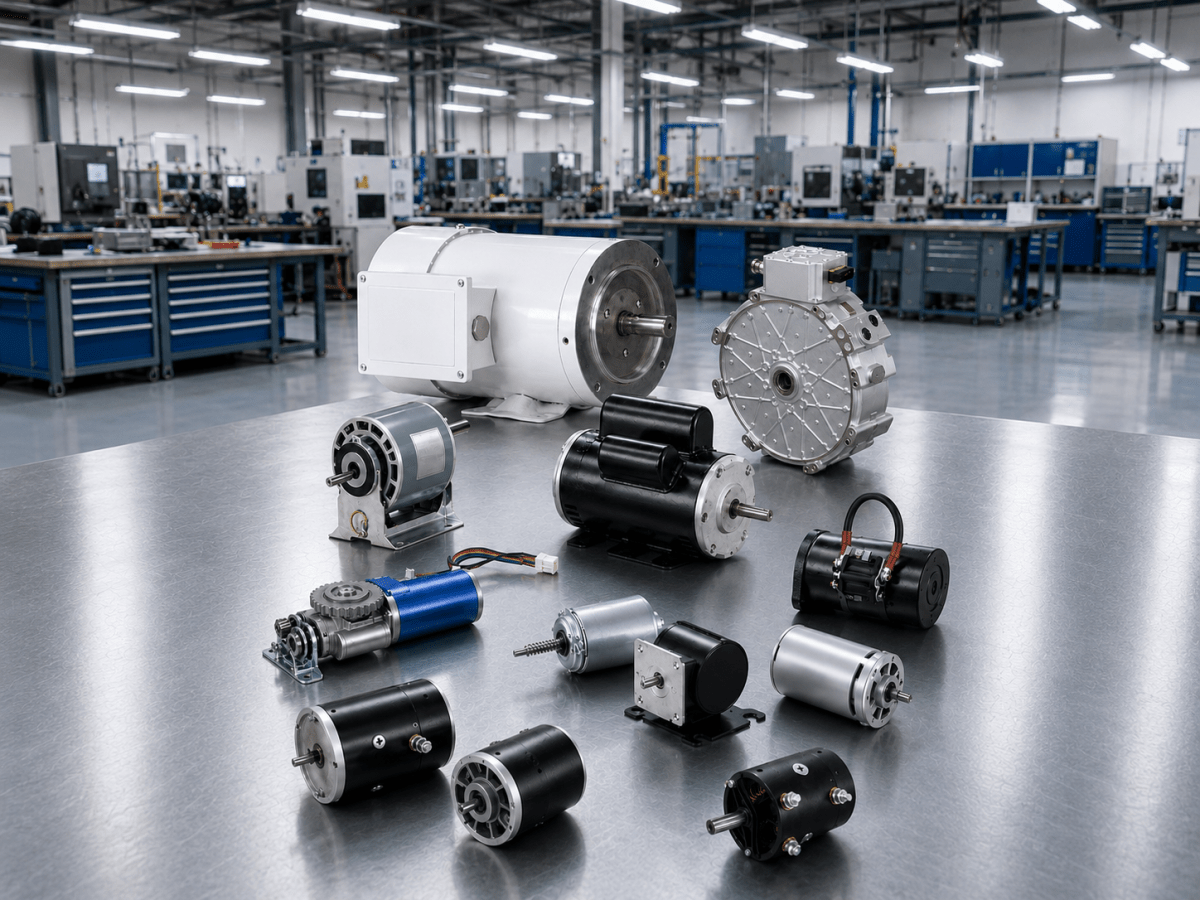
Selecting the right electric motor is one of the most important decisions in an OEM product development program. Motor performance affects efficiency, reliability, noise, product life, and total manufacturing cost.
Define the application requirements
Begin by documenting the required voltage, output power, operating speed, torque, available installation space, and mounting configuration. The intended duty cycle is equally important because a motor designed for intermittent operation may not perform reliably in a continuous-duty application.
Consider the operating environment
Temperature, moisture, dust, vibration, and exposure to chemicals can affect motor construction. Protection ratings, insulation class, bearing selection, coatings, and enclosure design should be evaluated before prototypes are produced.
Select the appropriate motor type
Induction motors are commonly selected for dependable AC-powered industrial applications. Permanent magnet DC motors provide flexible speed and torque characteristics for many battery-powered and motion-control products. BLDC motors are often selected when efficiency, precise control, and long service life are priorities.
Plan for production
A successful motor design must meet both technical and commercial requirements. Discuss expected production volume, testing standards, target cost, lead time, and supply chain requirements early in the development process.
Working with an experienced OEM motor manufacturer helps turn application requirements into a manufacturable, reliable, and cost-effective solution.